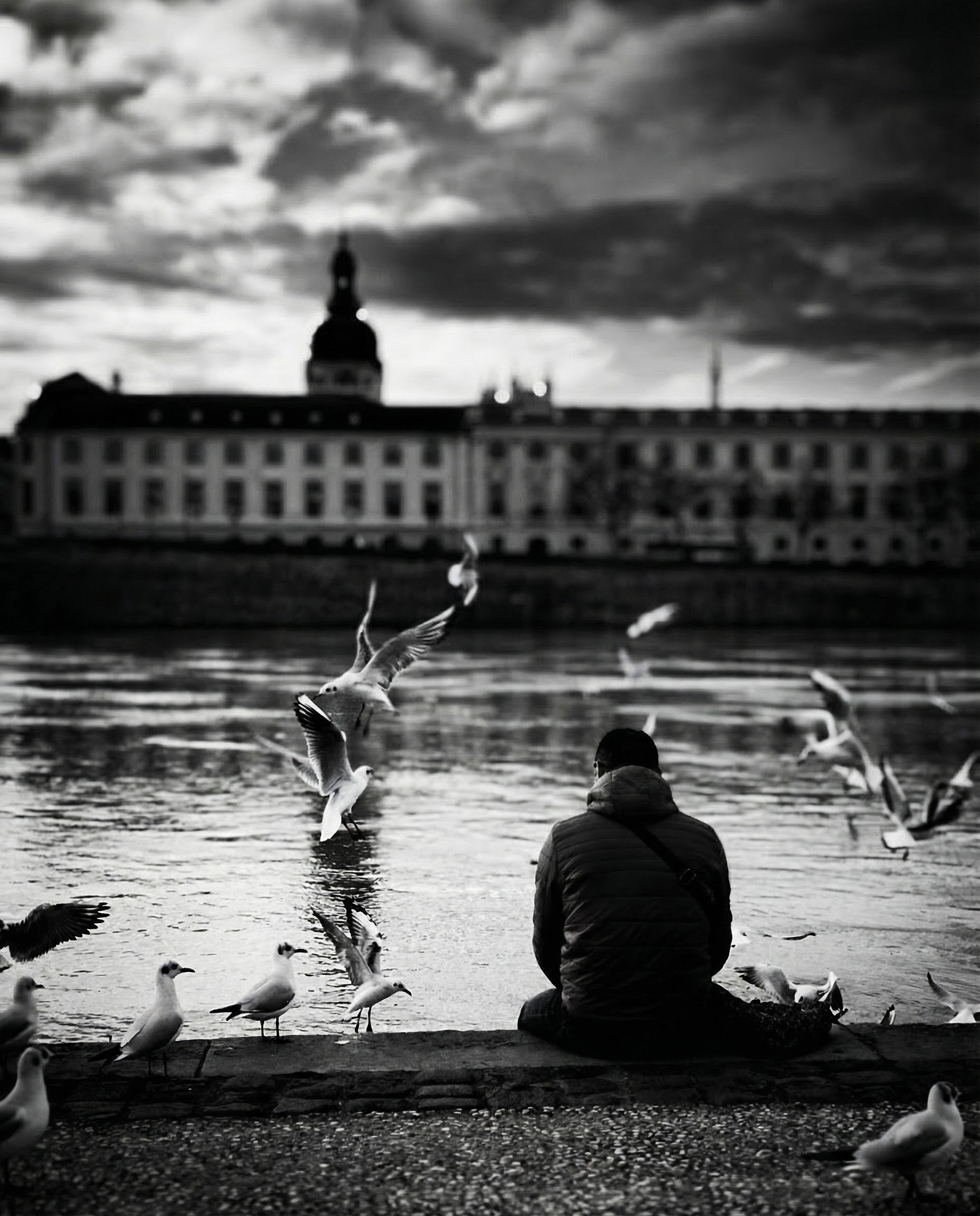
The source photograph was taken with my phone on the banks of the Rhône, in Lyon. In those moments, I’m grateful to have the camera within reach, to be able to fix what I see and what I feel into a still image. But there is always something missing. I’m still waiting to understand what I saw beyond reality itself. The Angel of the Gutters is born from that lack.
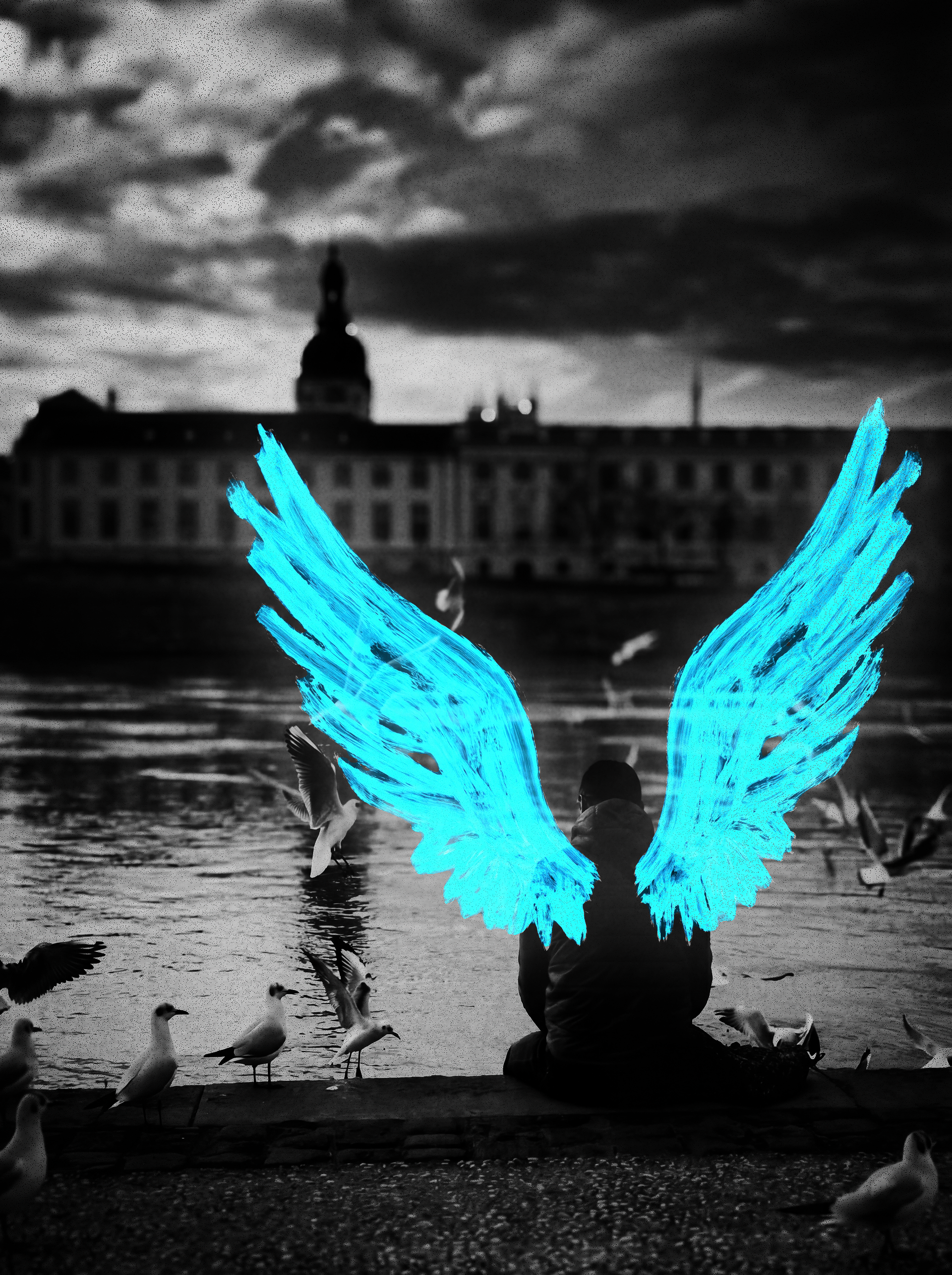
The Angel of the Gutters was turning in my head for six months. I knew I was carrying a reality that was different from the one I captured that day on the banks of the Rhône. I was walking in Lyon with my headphones on, letting Spotify roll through its recommendations, when “The Labyrinth Song” by Asaf Avidan started. That’s when I saw exactly what was missing: this man lacked wings, and the image lacked a seed of wear, something of time, of sand, the slow damage that clings to forgotten angels at the water’s edge.
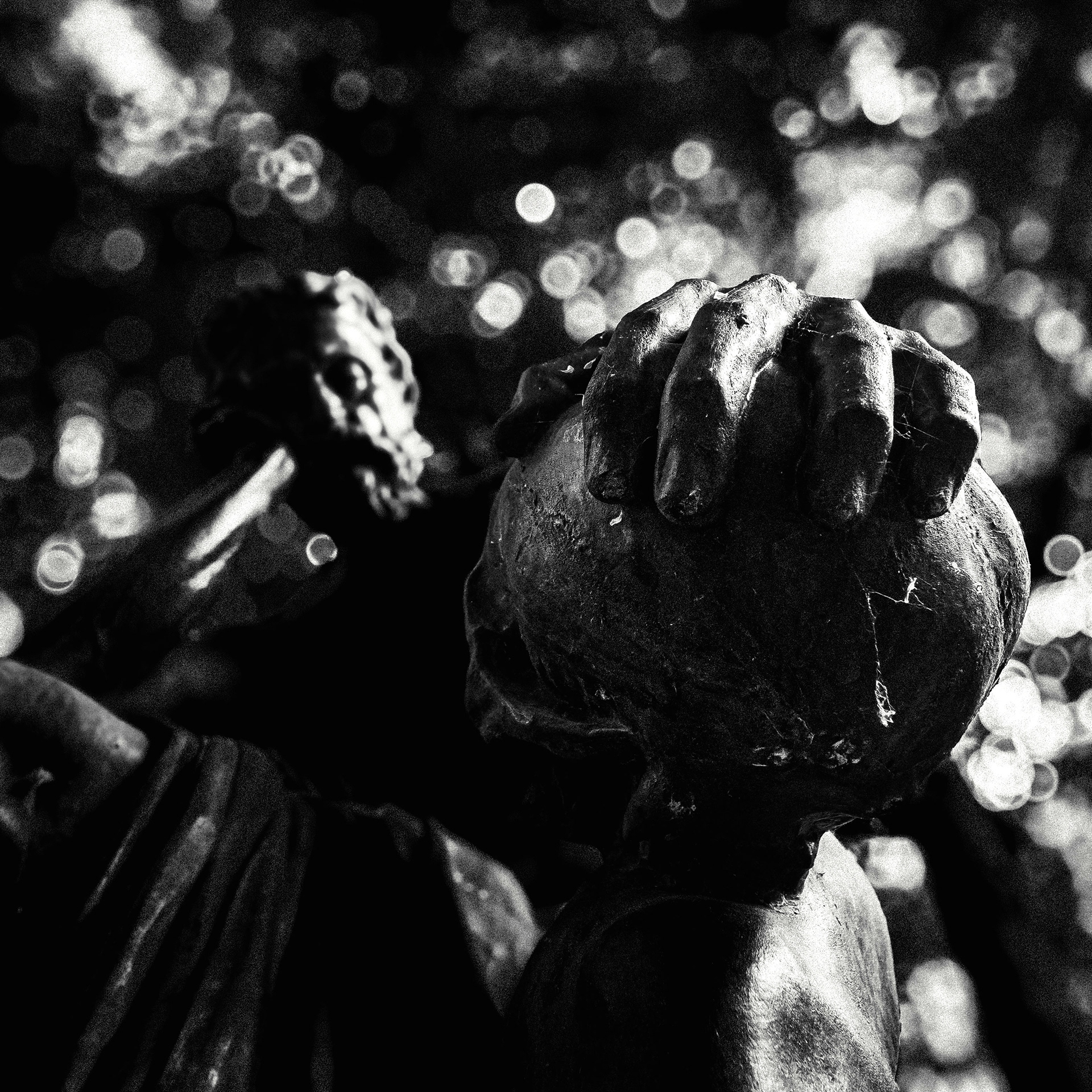
The photograph was taken in the courtyard of the Museum of Fine Arts in Lyon during an evening at the museum. The moment it appeared in the viewfinder, I knew exactly what I was going to do.
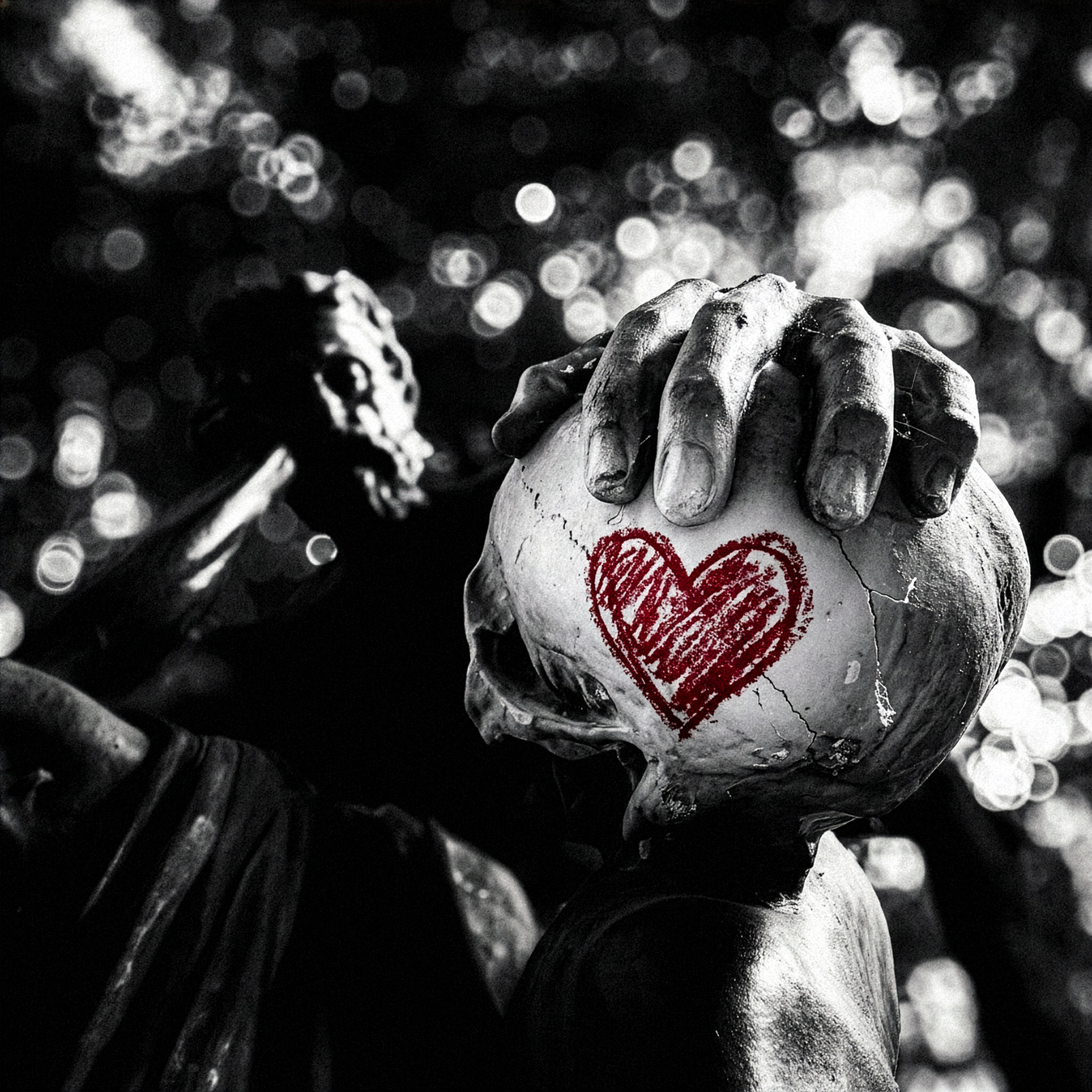
Vandalised calcium.
Love framed like graffiti.
A rough leftover pinned to a structure already condemned.
Love framed like graffiti.
A rough leftover pinned to a structure already condemned.
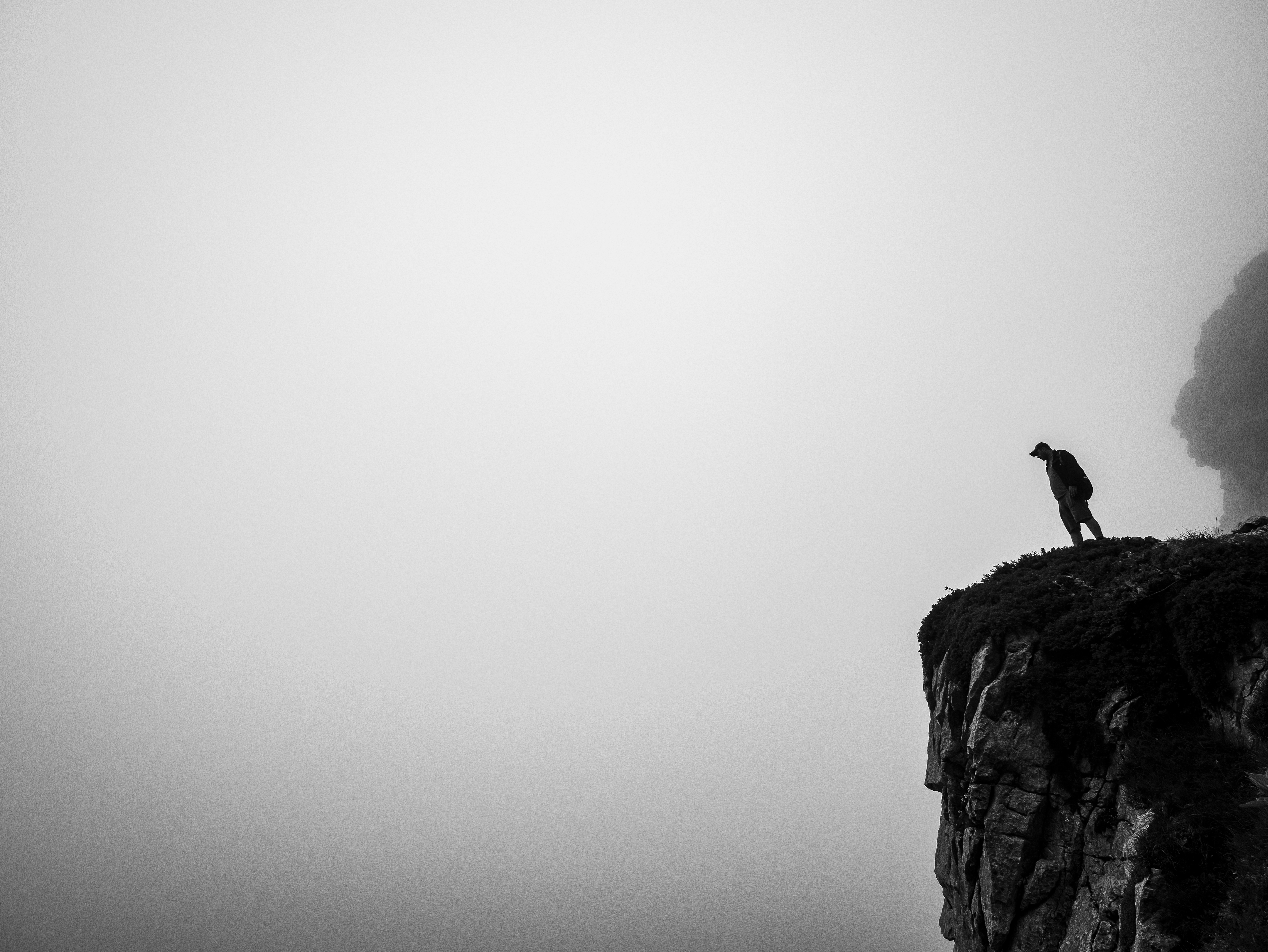
The original photograph was taken during a hike with friends on the Dent de Crolles, near Grenoble, in Isère. It was only published recently, as if the image first needed to stay in reserve.
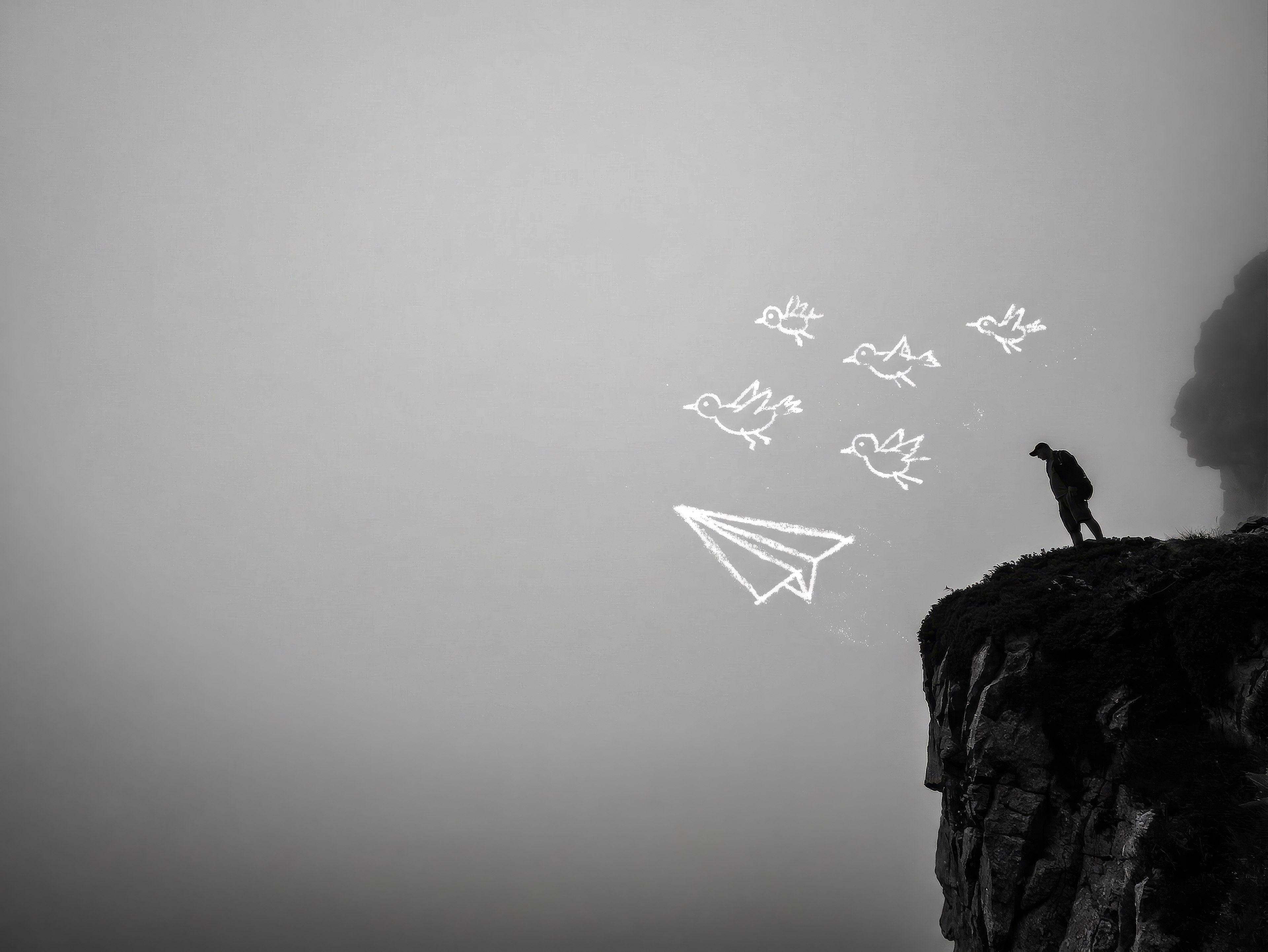
Then the symbols arrived: a few drawn birds, a paper plane thrown into the void. The body stays at the edge of the drop, but it’s the lack of perspective that becomes the subject. Deficit of Horizon is that moment when the landscape disappears and all that’s left is the inside of the head.
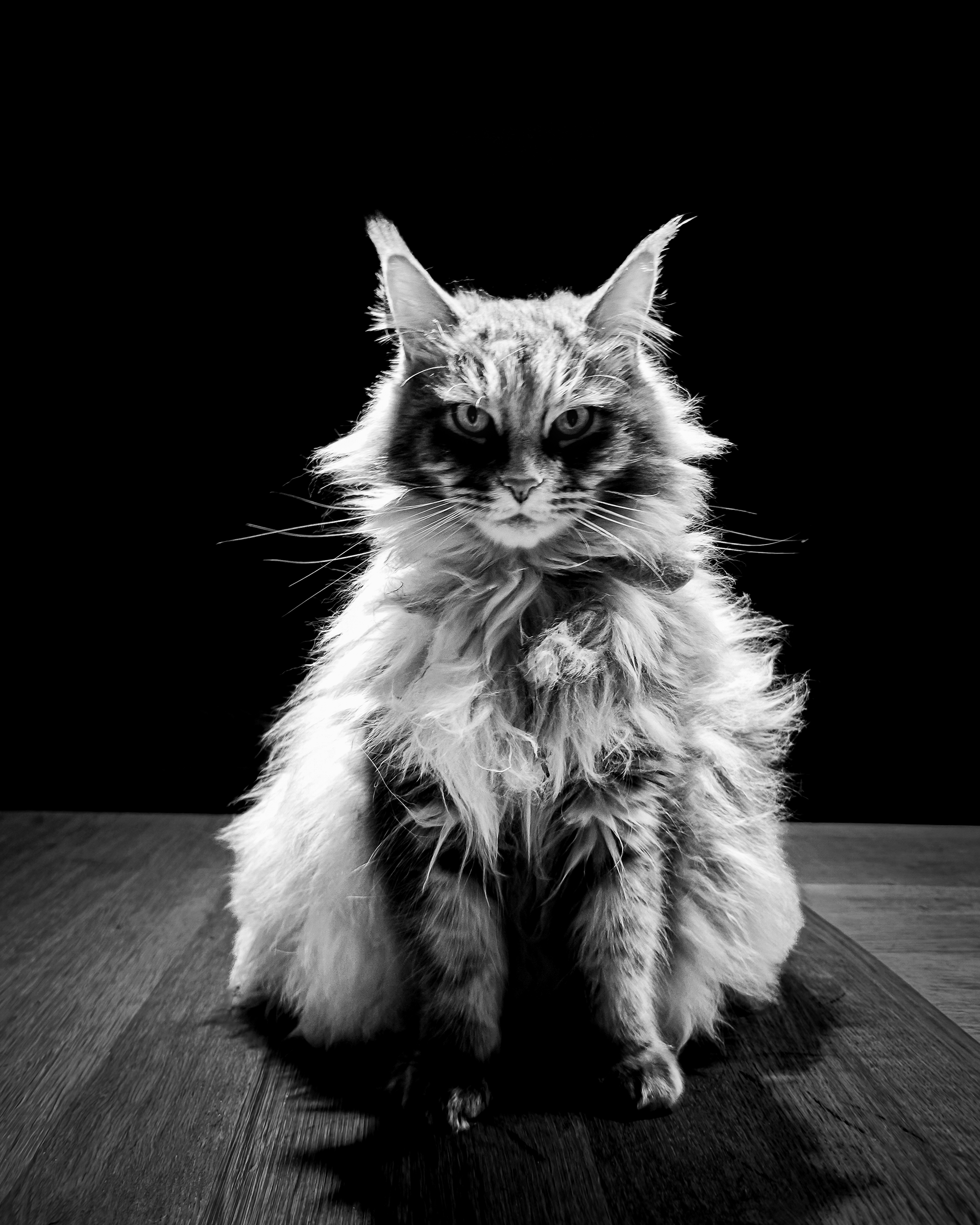
Ozzy is not just a cat sitting on a wooden table. He’s a heavy presence, an almost spectral guardian who emerges from the night with the war still clinging to his fur. I first took this photograph in color, then converted it to black and white because color lies, because it distracts. I wanted that raw intensity, that gaze that seems to read through flesh and bone.
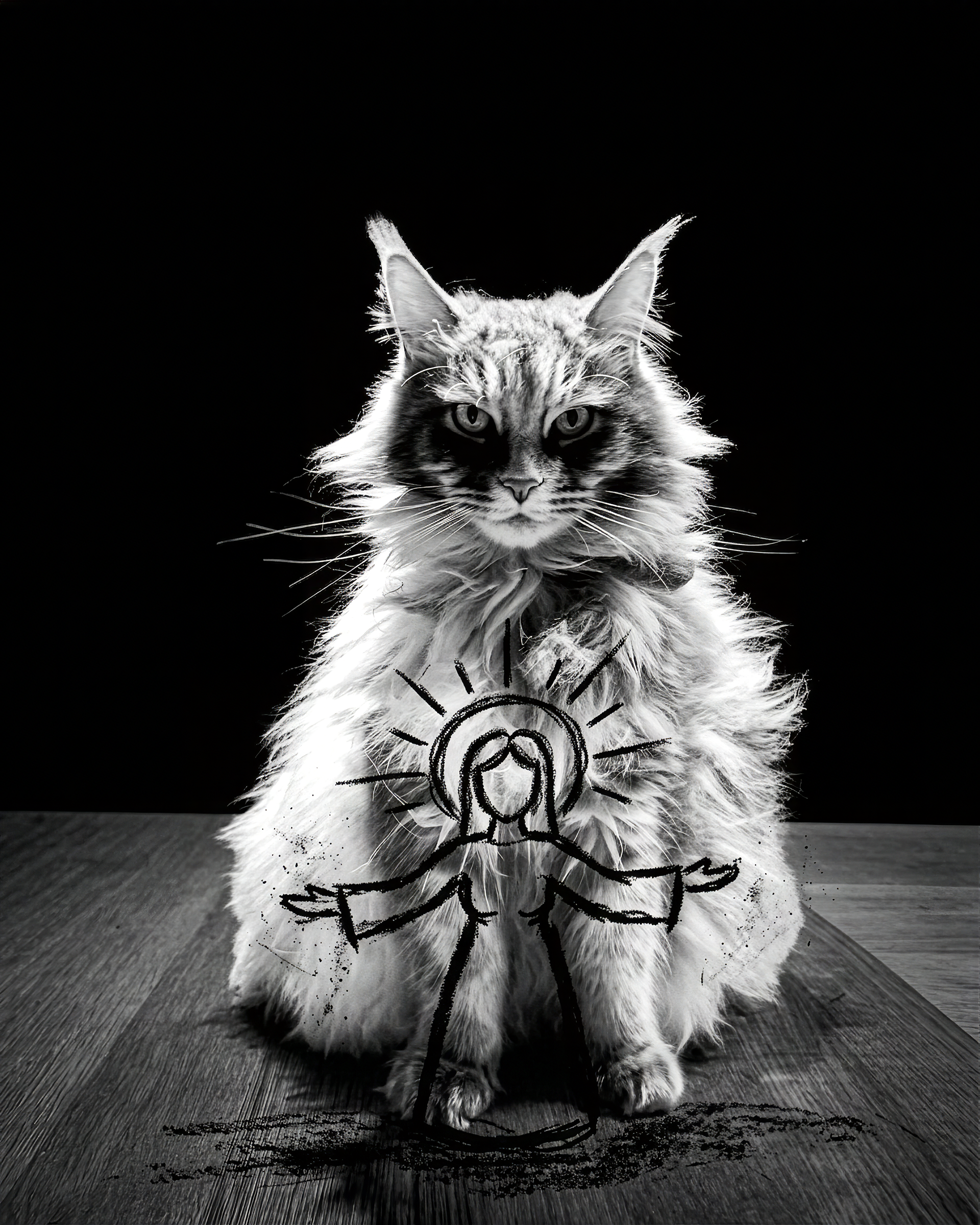
Then I drew this female silhouette, haloed with rays, directly across his chest. Ozzy’s animal force felt incomplete, hollow. By layering this figure over him, I wanted to bring back together what is tearing apart: the beast and the divine, shadow and light, the instinct that kills and the love that forgives. It all plays out there, on that piece of wood, in the kitchen light.
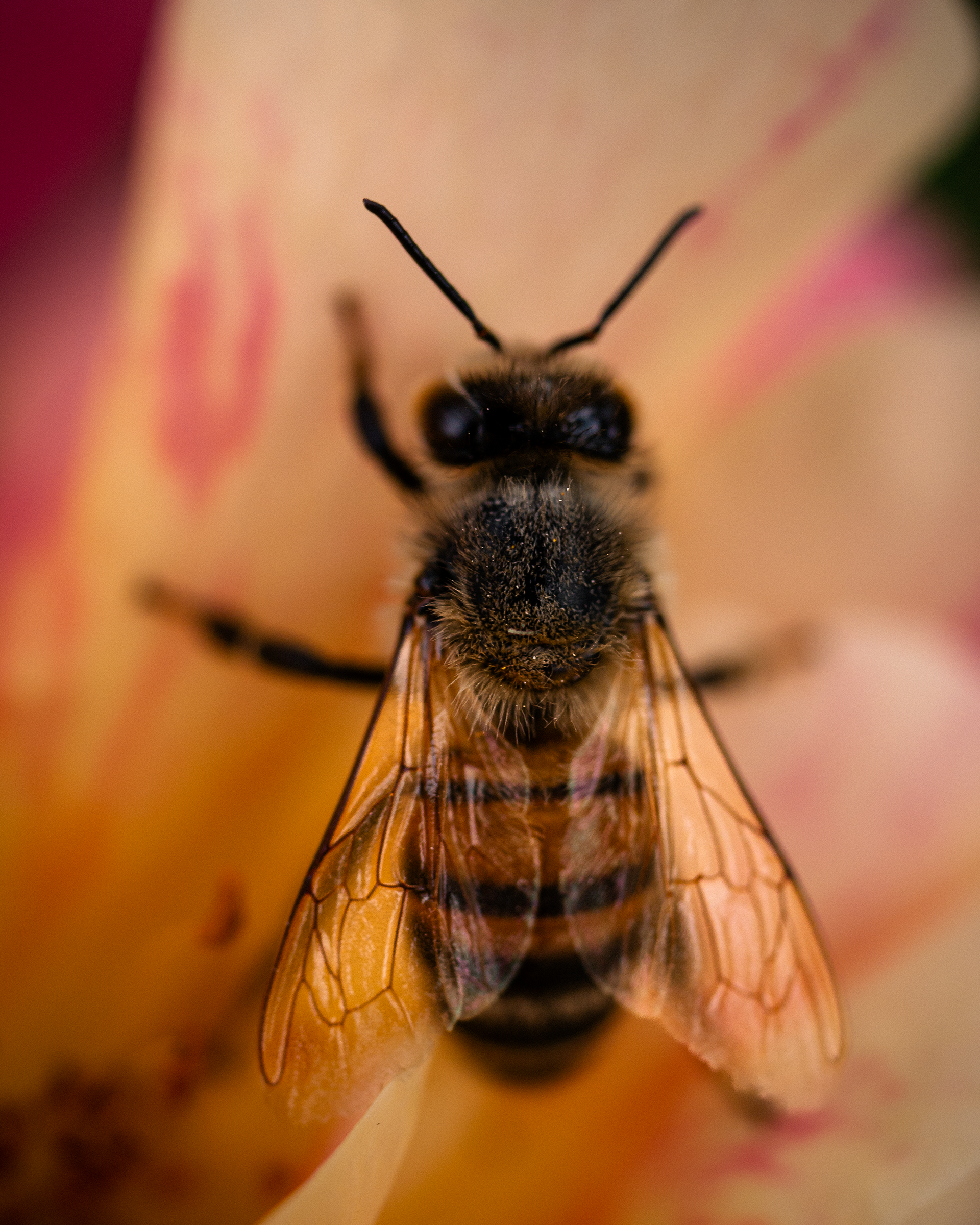
A bee, still intact, in the deceitful softness of the flower.
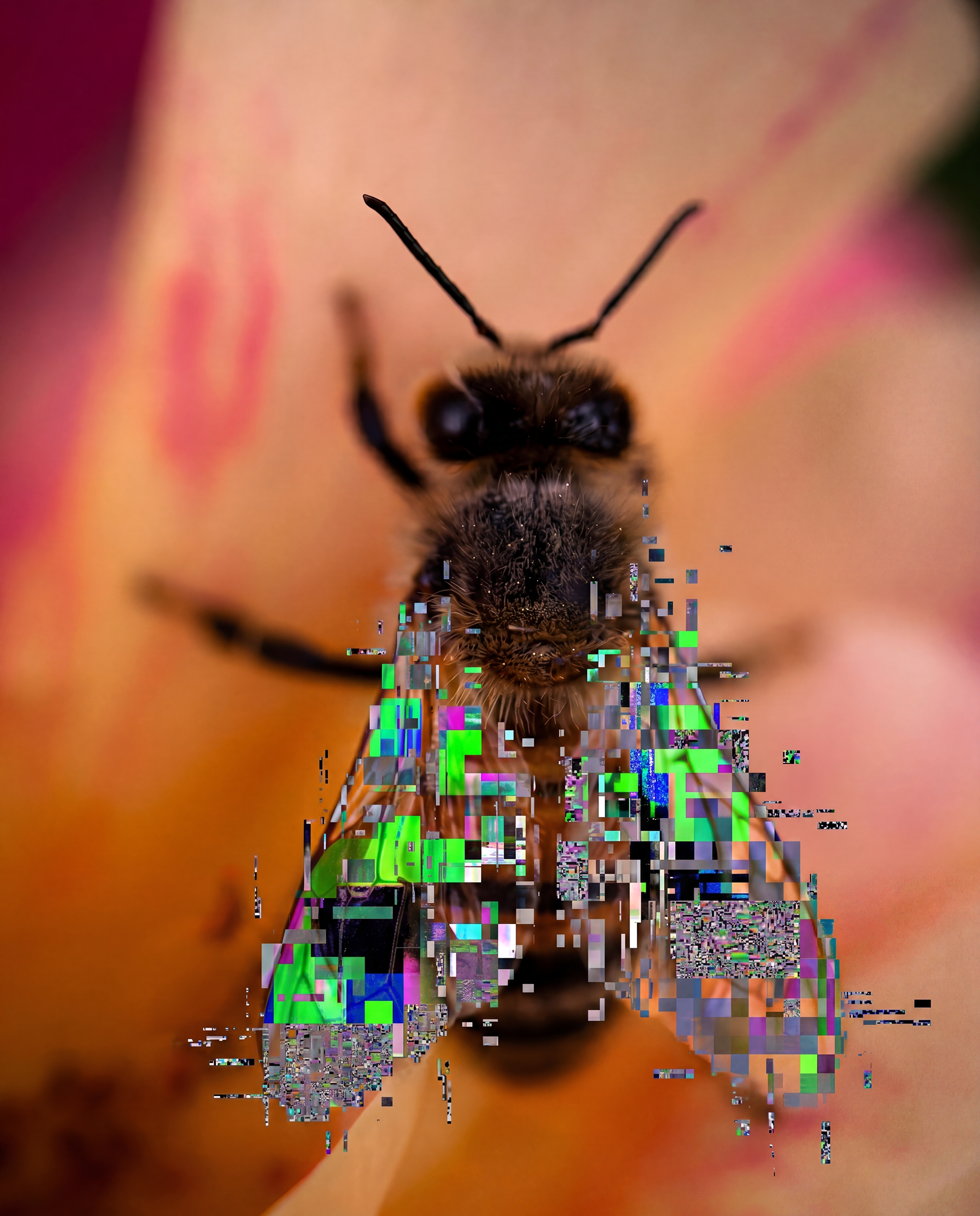
Then the glitch: a silent death, digital, almost gentle. It’s no longer a wound of the body, but a disintegration of perception.